 Comparison
Is Professional Medical Cleaning Worth the Cost?
Table of Contents
- The True Cost of Professional Medical Cleaning
- How Medical Office Cleaning Cost Per Square Foot Compares to Standard Commercial Cleaning
- Benefits of Electrostatic Disinfection in Healthcare Settings
- OSHA Requirements for Medical Facility Cleaning and Compliance Risk
- Infection Control and Healthcare-Associated Infection Prevention
- ROI Calculation: Liability, Insurance, and Operational Efficiency
- Is Professional Medical Cleaning Worth It? The Verdict
- Frequently Asked Questions
Last Updated: October 2, 2026
The True Cost of Professional Medical Cleaning
Is professional medical cleaning worth the cost? Yes, if you calculate the full financial picture rather than budget line items alone. Professional medical cleaning costs more upfront but prevents far costlier outbreaks, fines, and liability claims.
How Medical Office Cleaning Cost Per Square Foot Compares to Standard Commercial Cleaning
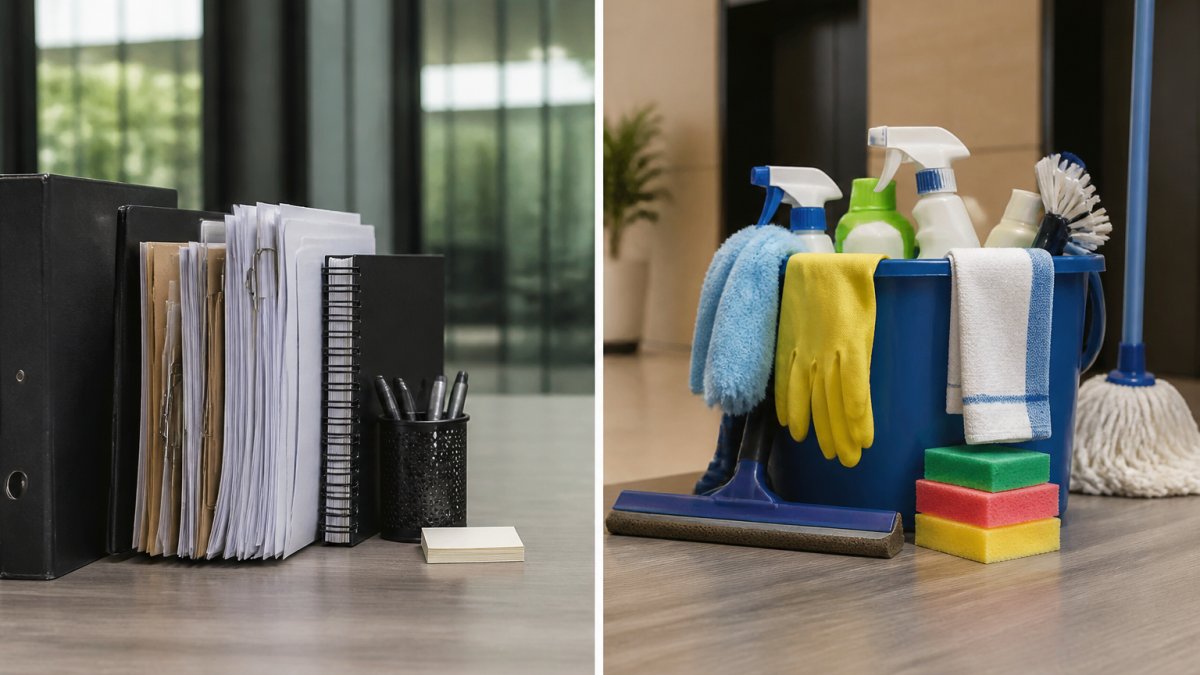
Medical office cleaning cost per square foot typically runs 30-50% higher than standard commercial cleaning. The difference isn't arbitrary, it reflects the specialized training, equipment, and protocols required to manage infection control in a clinical environment.
Benefits of Electrostatic Disinfection in Healthcare Settings
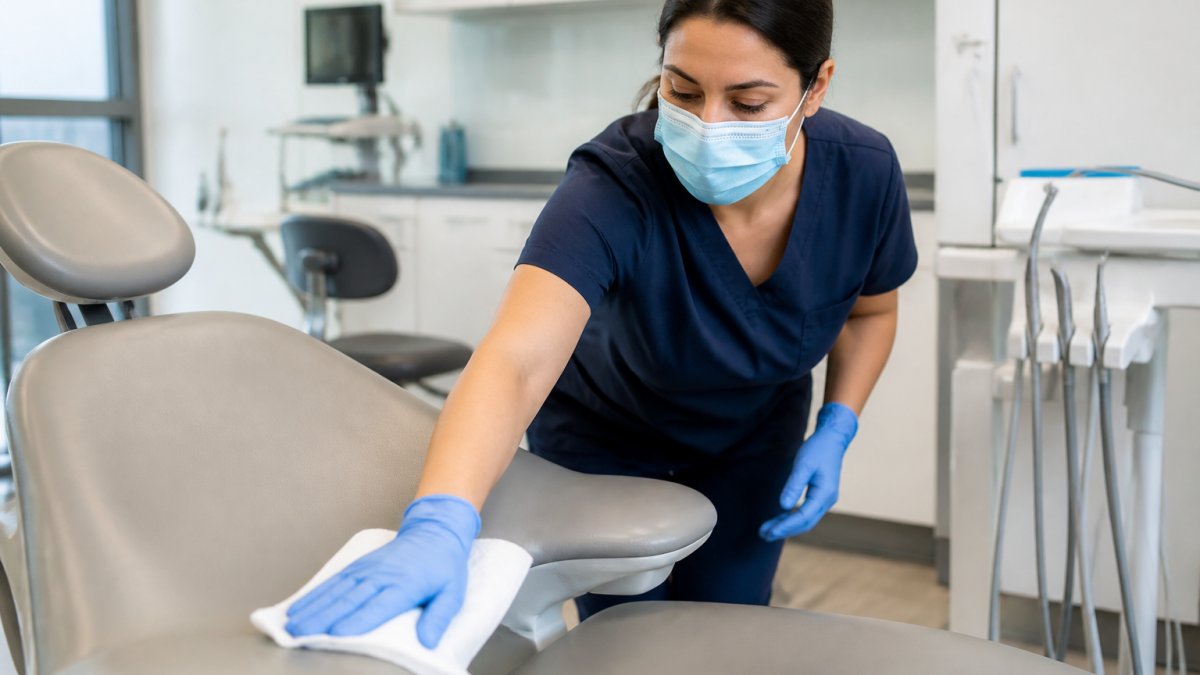
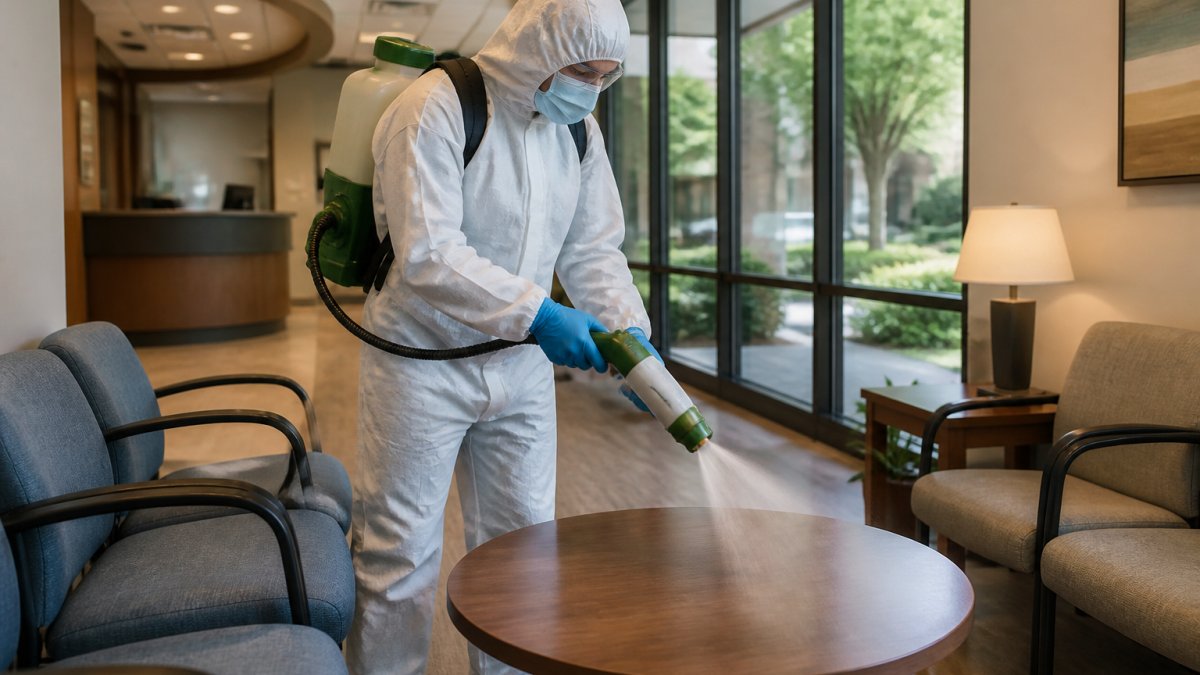
Electrostatic disinfection applies a charged mist that clings to surfaces traditional spraying misses, addressing the critical gap of overlooked high-touch areas in healthcare settings.
Electrostatic systems can use disinfectant efficiently, offering potential benefits.
OSHA Requirements for Medical Facility Cleaning and Compliance Risk
Medical facilities must comply with the OSHA Bloodborne Pathogens Standard, which mandates specific cleaning and disinfection protocols for any area where blood or bodily fluids may be present. The standard requires that contaminated surfaces be cleaned and decontaminated immediately after contact with blood or other potentially infectious materials. Beyond the federal standard, state health departments impose additional requirements that vary by jurisdiction and facility type.
Federal OSHA Requirements
- Written exposure control plan documenting cleaning procedures for contaminated areas
- Immediate decontamination of surfaces after blood or bodily fluid contact
- Use of appropriate disinfectants (EPA-registered hospital-grade disinfectants for most medical settings)
- Personal protective equipment (PPE) for staff performing cleaning
- Training documentation showing all staff understand bloodborne pathogen risks and cleaning protocols
- Medical waste disposal procedures aligned with state regulations
State-Level Requirements
Compliance Audit Checklist
Documentation & Training
- Cleaning vendor provides written cleaning protocol specific to your facility (not a generic template)
- Protocol includes disinfectant names, contact times, and application methods for each area type
- Staff training documentation shows all cleaning personnel have received bloodborne pathogen training within the past 12 months
- Training records include dates, topics covered, and staff signatures or acknowledgment
- Cleaning logs are maintained daily showing date, time, areas cleaned, staff member name, and disinfectant used
Disinfectant Compliance
- All disinfectants used are on your state health department's approved list (verify with your state agency)
- Disinfectant Safety Data Sheets (SDS) are available on-site and accessible to staff
- Disinfectants are stored according to manufacturer specifications (temperature, light exposure, container integrity)
- Disinfectant expiration dates are checked before use; expired products are not used
- Disinfectant concentration is verified (some products require dilution; incorrect dilution reduces effectiveness)
High-Touch Surface Coverage
- High-touch surfaces are identified in writing (door handles, light switches, patient chairs, reception counters, handrails, etc.)
- Cleaning frequency for each surface type matches state requirements for your facility type
- Cleaning logs document that high-touch surfaces were cleaned at required frequency
- Surfaces are visibly clean and free of dust, residue, or discoloration
- Electrostatic or other advanced disinfection technology is used for comprehensive coverage (if contracted)
Contamination Response
- Written procedure exists for immediate decontamination after blood or bodily fluid contact
- Cleaning staff are trained to recognize contamination and respond immediately
- Incident logs document any contamination events and decontamination response
- Decontamination is completed before area is returned to service
Quality Assurance
- Cleaning vendor conducts periodic quality checks (at least monthly) and provides documentation
- Your facility conducts independent spot-checks of cleaned areas
- Issues identified during quality checks are documented and corrected within 24-48 hours
- Vendor provides monthly or quarterly compliance reports summarizing cleaning activities
Personal Protective Equipment & Safety
- Cleaning staff wear appropriate PPE (gloves, eye protection, respiratory protection if required)
- PPE is changed between different areas to prevent cross-contamination
- Staff are trained on proper PPE use and removal
- Sharps containers and biohazard waste are handled according to state regulations
Infection Control and Healthcare-Associated Infection Prevention
Healthcare-associated infections increase patient hospital stays, medical bills, and mortality risk while damaging facility reputation, triggering regulatory scrutiny, and creating liability exposure.
ROI Calculation: Liability, Insurance, and Operational Efficiency
The Four Cost Components of HAI Outbreaks
-
Direct Medical Costs: Additional treatment, extended patient stays, diagnostic testing. A single HAI can cost significant amounts in direct medical expenses depending on infection severity and facility type.
-
Regulatory and Legal Costs: OSHA citations, state health department fines, legal defense costs, and potential settlement amounts. A documented outbreak can trigger multiple citations across different standards.
-
Operational Costs: Temporary closure or capacity reduction, emergency staffing, overtime for compliance investigations, and staff retraining. A single-day facility closure can result in significant lost revenue for most practices.
-
Reputational Costs: Patient attrition, negative reviews, reduced referrals, and diminished market position. Facilities that experience publicized infection outbreaks can report patient volume decline in the 12 months following the incident.
The ROI Formula
Annual ROI = (Outbreak Cost Risk × Outbreak Probability) − Annual Cleaning Cost
Break it down:
-
Outbreak Cost Risk: Estimate the total financial impact of a single HAI outbreak at your facility. For a small dental practice, this might be a significant amount (direct costs + fines + operational disruption). For a multi-specialty clinic, it could be substantial. For a surgical center, it could be even higher.
-
Outbreak Probability: Estimate the likelihood of an outbreak occurring in your facility over the next year without professional medical cleaning. This depends on patient volume, infection risk profile, and current cleaning practices. A facility with high daily patient contacts and standard commercial cleaning faces a higher annual outbreak probability. A facility with lower patient volume or already-strong cleaning practices might face a lower probability.
-
Annual Cleaning Cost: Professional medical cleaning costs vary depending on square footage and service frequency.
Example: 2,000 sq ft Dental Practice
Calculating the ROI involves considering outbreak prevention.
Insurance Premium Reductions
Operational Efficiency Gains
The Complete ROI Picture
Is Professional Medical Cleaning Worth It? The Verdict
Professional medical cleaning is worth the cost for any facility where patient safety, regulatory compliance, and liability protection matter. For medical practices, dental offices, and clinical settings, these factors are non-negotiable.
| Comparison Factor | Standard Commercial Cleaning | Professional Medical Cleaning |
|---|---|---|
| High-touch surface frequency | Standard | Enhanced |
| Disinfectant type | General-purpose | Medical-grade, pathogen-specific |
| Staff training | Basic janitorial | Infection control certified |
| Coverage method | Manual spraying | Electrostatic + manual |
| Compliance documentation | Not provided | Detailed, OSHA-ready |
| Liability protection | Minimal | Substantial |
Frequently Asked Questions
How often should a medical office be cleaned to meet OSHA standards?
OSHA does not mandate specific cleaning frequencies, but the CDC recommends daily cleaning of high-touch surfaces (doorknobs, light switches, countertops) in medical facilities. Many practices implement twice-daily disinfection of waiting areas and patient rooms. Frequency depends on patient volume, facility layout, and infection control protocols. Professional medical cleaning services assess your specific needs and establish customized schedules that exceed standard commercial cleaning to reduce healthcare-associated infections and maintain compliance with state health department regulations.
What is the difference between professional medical cleaning and standard commercial cleaning?
Professional medical cleaning follows infection control protocols, targets high-touch surfaces with hospital-grade disinfectants, and uses specialized equipment like electrostatic disinfection for 360-degree pathogen coverage. Standard commercial cleaning focuses on appearance and general sanitation. Medical-grade cleaning addresses cross-contamination risks, biohazard protocols, and compliance with health department standards. Trained crews understand microbial load reduction, proper disinfectant dwell times, and documentation requirements. This specialized approach directly reduces healthcare-associated infections and protects patient safety, outcomes that standard cleaning cannot guarantee.
Does professional medical cleaning reduce the risk of healthcare-associated infections?
Yes. Healthcare-associated infections (HAIs) spread through contaminated high-touch surfaces and environmental pathogens. Professional medical cleaning reduces microbial load on frequently touched areas, implements evidence-based disinfection protocols, and maintains consistent sanitization schedules. Electrostatic disinfection reaches surfaces standard cleaning misses. Studies show facilities with specialized infection control cleaning protocols experience lower HAI rates. Beyond direct infection prevention, professional cleaning supports occupational health for staff and patient safety, reducing liability exposure and improving facility reputation. The cost of preventing even one HAI outbreak far exceeds annual cleaning expenses.
How much does professional medical office cleaning typically cost per square foot?
Medical office cleaning costs depend on facility size, patient volume, layout complexity, and service frequency. Pricing typically ranges higher than standard commercial cleaning due to specialized protocols, trained staff, and infection control compliance. Factors affecting cost per square foot include high-touch surface density, equipment disinfection needs, biohazard handling, and regulatory documentation. Rather than comparing raw price per square foot, evaluate total cost of ownership: professional cleaning prevents costly HAI outbreaks, reduces compliance violations, and protects your facility's reputation. Request a facility assessment and customized quote to understand your specific investment.
What certifications should a medical cleaning provider hold?
Look for providers trained in infection control protocols, OSHA bloodborne pathogen standards, and healthcare facility sanitation. Certifications in medical-grade cleaning, electrostatic disinfection operation, and occupational health demonstrate expertise. Verify the company is fully bonded and insured, essential protection if damage or liability issues occur. Ask about staff training in biohazard protocols, proper disinfectant use, and cross-contamination prevention. Professional providers maintain documentation of cleaning protocols and compliance audits. These credentials ensure your facility receives specialized care that reduces health hazards and meets regulatory standards, not just general janitorial services.