 Ultimate guide
Electrostatic Disinfection for Small Businesses: 2026 Guide
Table of Contents
- What Is Electrostatic Disinfection and How It Works
- Why Small Businesses Need Electrostatic Disinfection
- EPA-Approved Disinfectants for Electrostatic Sprayers
- How Long Does Electrostatic Disinfection Take
- Electrostatic Sprayer Safety Protocols and PPE Requirements
- ROI and Cost Considerations for Small Businesses
- Implementation Checklist and Next Steps
- Frequently Asked Questions
Last Updated: September 22, 2026
What Is Electrostatic Disinfection and How It Works
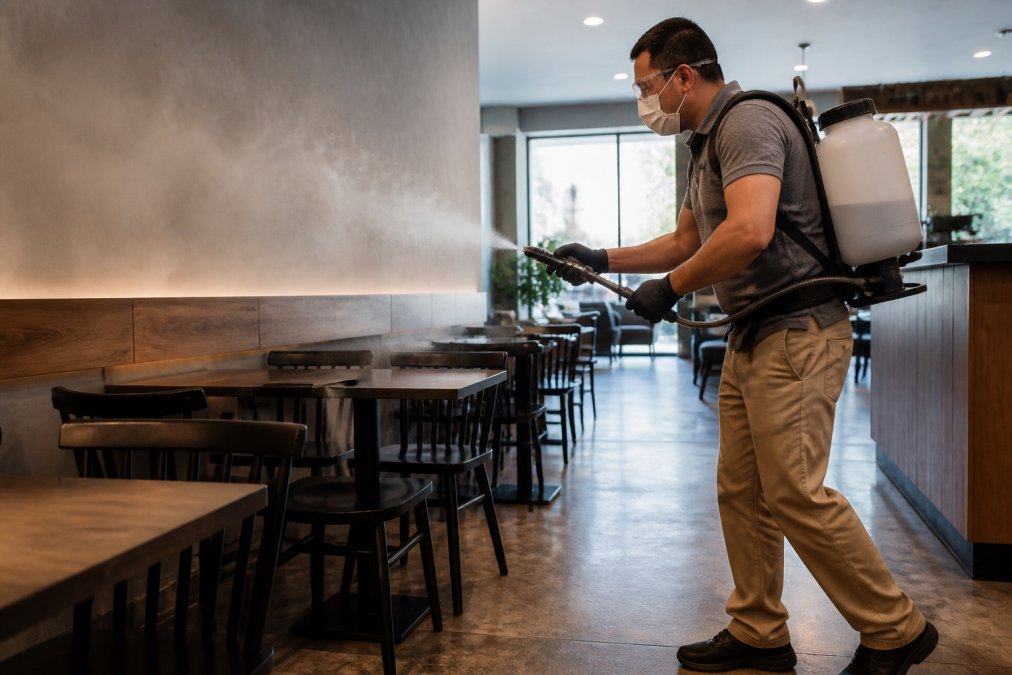
Electrostatic disinfection is a cleaning method that uses electrically charged particles to apply hospital-grade disinfectant in a fine mist, coating surfaces with 360-degree coverage that traditional spraying cannot achieve. The technology works by charging liquid disinfectant droplets as they exit the nozzle, causing them to repel one another and attract to surfaces electrostatically, similar to how static cling works on laundry. This electrostatic attraction ensures the disinfectant reaches crevices, undersides of equipment, and hard-to-access areas that manual wiping misses entirely.
The process begins when a disinfectant solution passes through the sprayer's nozzle, where it receives an electrical charge. The charged droplets then travel through the air and are naturally drawn to grounded surfaces, creating uniform coverage across an entire room or facility. Unlike traditional spray bottles that rely on gravity and air currents, electrostatic technology actively pulls the disinfectant toward every surface, walls, furniture, equipment, and even vertical surfaces coat evenly without dripping or pooling.
For electrostatic disinfection small businesses managing high-traffic environments, this distinction matters significantly. A single pass with an electrostatic sprayer can disinfect an entire office, gym, or medical waiting room in minutes. The germicide in the solution eliminates pathogens on contact, and the electrical charge ensures no surface is missed. At Rangel Janitorial, we've deployed this technology across California facilities, and the 360-degree coverage remains a reliable way to reduce cross-contamination in shared spaces.
Why Small Businesses Need Electrostatic Disinfection
Small businesses operate under tight margins and tight schedules. Traditional cleaning methods, wiping surfaces with cloths or spraying and wiping manually, consume hours of labor while leaving gaps in coverage. Electrostatic disinfection for small businesses compresses the disinfection process into a fraction of the time while eliminating the human error that creates those gaps.
High-traffic environments amplify the risk. Gym equipment, office common areas, medical facilities, and retail spaces see hundreds of hands daily. A single contaminated surface can spread pathogens to dozens of people before it's cleaned again. Manual spot-cleaning cannot keep pace with this exposure rate. Electrostatic disinfection, by contrast, treats an entire space uniformly in one application, no missed corners, no inconsistent coverage between cleanings.
The financial argument is straightforward. Labor-intensive manual disinfection requires staff hours that add up quickly. Electrostatic disinfection reduces disinfection time per square foot, which means lower labor costs per cleaning cycle. The technology also reduces waste, charged droplets adhere to surfaces rather than misting into the air or pooling on floors, so less disinfectant is needed per application.
Regulatory compliance matters too. Medical practices, dental offices, and facilities handling vulnerable populations face specific hygiene standards. Electrostatic disinfection provides documented, repeatable coverage that satisfies these requirements. The method creates a clear audit trail: surfaces are treated systematically, not sporadically. For small business owners managing multiple locations or operating in regulated industries, this consistency is non-negotiable.
EPA-Approved Disinfectants for Electrostatic Sprayers
Not all disinfectants work in electrostatic sprayers. The solution must have specific chemical properties to remain charged effectively and to perform as a germicide when applied electrostatically. The EPA maintains a list of disinfectants approved for use against specific pathogens, and many of these are compatible with electrostatic application.
Common EPA-approved disinfectants used in electrostatic systems include quaternary ammonium compounds (quats), phenolic compounds, and hydrogen peroxide-based solutions. Each carries different dwell times, the contact time required for the germicide to eliminate pathogens on a surface. Quats typically require 10 minutes of wet contact. Phenolics may require 5-10 minutes depending on the specific formulation. Hydrogen peroxide solutions often work faster, sometimes in under 5 minutes.
The choice of disinfectant depends on your facility type and pathogen targets. Medical facilities often require hospital-grade disinfectants that eliminate a broad spectrum of bacteria, viruses, and fungi. Gyms and fitness centers may prioritize solutions that handle common skin pathogens and respiratory viruses.
How Long Does Electrostatic Disinfection Take
The actual spray time for electrostatic disinfection is remarkably brief. A typical office of 5,000 square feet can be fully disinfected in 15-20 minutes of active spraying. A smaller medical practice or retail space might take 5-10 minutes. The speed comes from the technology's 360-degree coverage, there is no need to manually wipe surfaces or wait for traditional spray-and-wipe cycles.
Electrostatic Sprayer Safety Protocols and PPE Requirements
ROI and Cost Considerations for Small Businesses
Calculating return on investment for electrostatic disinfection requires comparing labor costs, disinfectant costs, and equipment investment against the benefits of reduced illness, operational efficiency, and regulatory compliance.
Implementation Checklist and Next Steps
Implementing electrostatic disinfection small businesses use requires planning across several dimensions. Start by assessing your facility's disinfection needs. Map high-traffic areas and high-touch surfaces. Identify regulatory requirements specific to your industry. Determine whether you'll invest in equipment and train staff or contract with a professional service.
Implementation checklist:
- Document current disinfection methods and labor hours spent
- Identify EPA-approved disinfectants compatible with electrostatic equipment
- Verify ventilation systems can support post-application air circulation
- Assess whether staff training or professional service contracting makes financial sense
- Establish baseline contamination levels or illness data for comparison
- Create a disinfection schedule aligned with business operations
- Prepare safety protocols and PPE requirements for staff
- Set up documentation and compliance tracking systems
- Brief occupants on disinfection timing and re-entry protocols
- Schedule initial disinfection and monitor facility response
| Step | Timeline | Responsibility |
|---|---|---|
| Assess facility needs | Week 1 | Facility manager |
| Research disinfectants and equipment | Week 1-2 | Facility manager / IT |
| Make equipment or service decision | Week 2 | Management |
| Establish safety protocols | Week 3 | Operations / HR |
| Train staff or schedule service | Week 3-4 | Operations |
| Begin disinfection program | Week 4 | Cleaning staff / service provider |
| Monitor and adjust | Ongoing | Facility manager |
Frequently Asked Questions
How does electrostatic disinfection work?
Electrostatic disinfection uses a sprayer that charges liquid disinfectant into electrically charged particles. These particles are attracted to surfaces through electrostatic attraction, wrapping around objects and reaching areas manual spraying misses. The charged droplets cling to high-touch surfaces, equipment, and hard-to-reach corners, creating 360-degree coverage. This method ensures consistent pathogen elimination across entire rooms in a single pass, reducing cross-contamination risks in offices, medical facilities, and gyms.
Is electrostatic spraying safe for office electronics and equipment?
Yes, when proper safety protocols are followed. The disinfectant liquid used in electrostatic sprayers is designed for surface application and won't damage electronics if applied correctly. However, you should power down sensitive equipment, cover exposed circuitry, and allow adequate dwell time before powering devices back on. Most hospital-grade disinfectants used in electrostatic systems are compatible with standard office equipment. Always verify surface compatibility with your disinfectant's chemical safety data sheets before application.
How often should a small business perform electrostatic disinfection?
Frequency depends on foot traffic, industry, and facility type. Medical practices and dental offices typically perform electrostatic disinfection daily or between patient visits. Corporate offices with high-traffic areas benefit from weekly or bi-weekly applications. Gyms and fitness centers with sweaty equipment should schedule disinfection 2-3 times weekly. Low-traffic administrative spaces may need only monthly applications. Your facility's microbial load and occupancy patterns should guide your schedule. Professional janitorial services can assess your specific needs and recommend an optimal frequency.
What EPA-registered disinfectants work with electrostatic sprayers?
EPA-registered disinfectants compatible with electrostatic systems include hospital-grade quaternary ammonium compounds, hypochlorous acid solutions, and EPA List N approved germicides. These products are specifically formulated to maintain efficacy when charged and dispersed as fine droplets. Always verify that your chosen disinfectant is rated for electrostatic application, not all EPA-approved disinfectants work in electrostatic equipment. Check the product label and chemical safety data sheets for electrostatic compatibility. Professional cleaning services maintain current inventory of approved disinfectants tested for your specific sprayer model.
What are the main safety precautions for electrostatic disinfection?
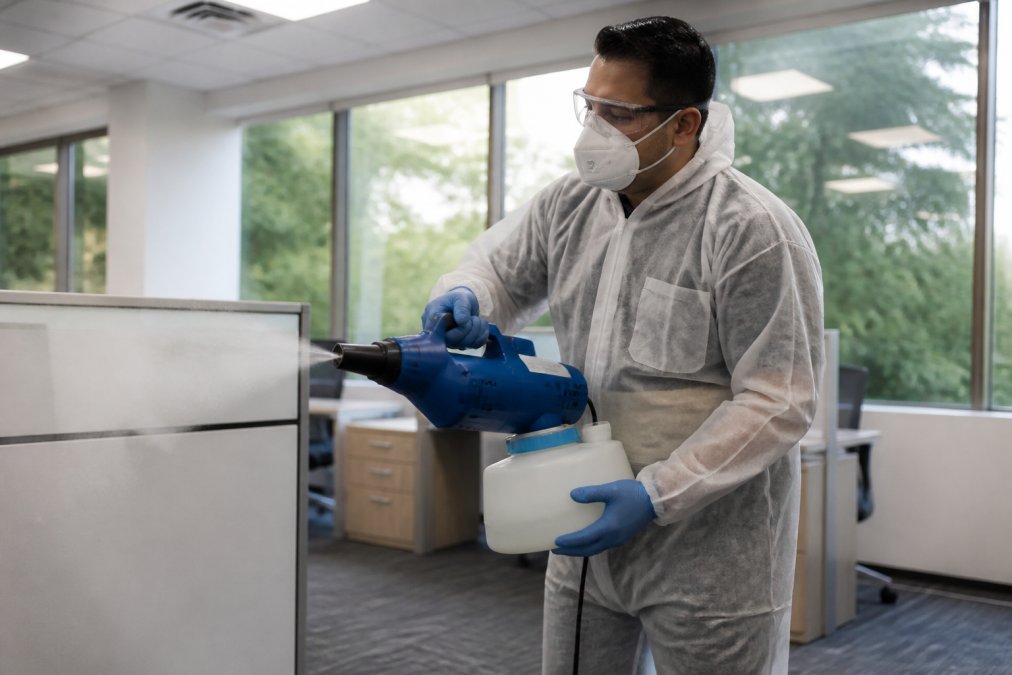
Key safety measures include wearing appropriate PPE (gloves, respiratory protection, eye protection, and protective gown), ensuring proper sprayer calibration before use, maintaining adequate ventilation during and after application, and allowing proper contact time and dwell time for the disinfectant to work. Operators must follow occupational safety guidelines and keep the facility clear of occupants during spraying. Verify chemical safety data sheets for each disinfectant, store materials according to regulations, and establish post-disinfection maintenance protocols. Regular training ensures crews understand equipment operation and biohazard mitigation procedures.
Does electrostatic disinfection replace manual cleaning?
No. Electrostatic disinfection is most effective as a complement to manual cleaning, not a replacement. First, remove visible dirt, dust, and organic matter through traditional cleaning methods. Then apply electrostatic disinfection to eliminate pathogens and reduce viral load on surfaces. This two-step approach ensures both sanitization efficiency and thorough surface preparation. Manual cleaning addresses surface tension and residue management that electrostatic spraying alone cannot handle. The combination provides comprehensive protection against cross-contamination in high-touch areas like doorknobs, handrails, and shared equipment.
How quickly can a professional service cover a typical small business facility?
Coverage speed depends on square footage, layout, and equipment type. Professional crews using calibrated nozzle technology and optimized application speed can cover a standard office efficiently. Medical facilities with multiple treatment rooms may take longer due to surface compatibility checks and targeted application requirements. Gyms with extensive equipment require careful attention to high-touch zones. Professional services factor in setup time, safety protocols, dwell time for disinfectant efficacy, and post-application ventilation. Your facility manager can request a site assessment to receive an accurate timeline based on your specific layout and needs.