 How-to
5 Ways Growing Cleaning Businesses Cut Insurance Costs
Last Updated: October 27, 2026
Quick Summary
Managing insurance costs for growing cleaning businesses requires understanding your coverage needs, comparing quotes regularly, and maintaining detailed insurance records. By documenting decisions and building an annual review process, you can control costs without creating coverage gaps.
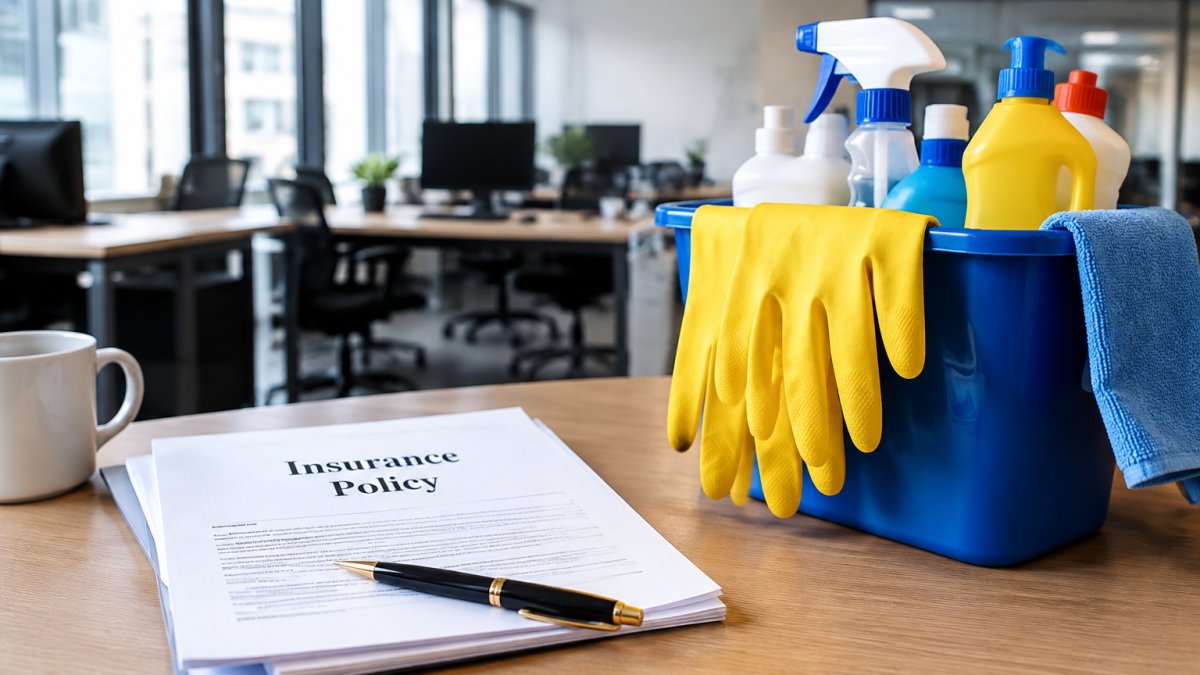
- General liability, workers' compensation, commercial property, and commercial auto insurance are required coverage types for janitorial services
- Keep comparison sheets, quotes, and selection reasons to create a repeatable process that identifies rate changes at renewal
- Store declarations pages, certificates, loss runs, and audit notices in one organized file for faster and more accurate quote shopping
- Insurance certificates must include your business name, policy numbers, coverage limits, effective dates, and cancellation notice clauses for client contracts
Table of Contents
- Why Managing Insurance Costs Matters as Your Cleaning Business Grows
- Understanding Cleaning Business Insurance Cost Drivers
- Janitorial Service Insurance Requirements You Must Meet
- How to Lower Business Insurance Premiums Without Cutting Coverage
- Insurance Certificate for Janitorial Contracts: What Clients Require
- Comparing Quotes and Locking in Better Rates
- Building Your Annual Insurance Review Process
- Frequently Asked Questions
Why Managing Insurance Costs Matters as Your Cleaning Business Grows
Managing insurance costs becomes critical as your cleaning business expands. Explore business articles and resources to support your growth strategy.
The National Association of Insurance Commissioners
Understanding Cleaning Business Insurance Cost Drivers
OSHA guidelines on workplace safety
Janitorial Service Insurance Requirements You Must Meet
General liability insurance
Workers' compensation insurance
Commercial property insurance
Commercial auto insurance
State licensing requirements for janitorial services
How to Lower Business Insurance Premiums Without Cutting Coverage
Insurance Information Institute guidance on business insurance optimization
Insurance Certificate for Janitorial Contracts: What Clients Require
What's on the certificate:
- Your business name and policy numbers
- Coverage types and limits
- Policy effective dates
- Certificate holder information (the client)
- Cancellation notice clause (the insurer agrees to notify the client if your policy lapses)
Comparing Quotes and Locking in Better Rates
Document the decision. Keep the comparison sheet, quotes, and your reasons for selecting a carrier. At renewal, reuse the sheet, update the numbers, and see exactly what changed, turning quote shopping into a repeatable process that controls cost without creating coverage gaps.
Building Your Annual Insurance Review Process
Keep a simple insurance file. Store declarations pages, certificates, loss runs, comparison sheets, and audit notices in one place for a complete history and faster, more accurate shopping at renewal.
Frequently Asked Questions
What factors affect cleaning business insurance premiums the most?
Premiums depend on payroll size, number of employees, revenue, service types, claims history, and geographic location. As your cleaning business grows and you hire more staff, your payroll directly increases premiums. Adding higher-risk services like window cleaning or pressure washing also raises costs. Claims history matters, a clean record keeps rates lower. Your state's workers' compensation requirements and liability limits you carry all factor into the final premium.
How often should a growing cleaning business review its insurance coverage?
Review your coverage annually, and also whenever you add employees, expand to new locations, or introduce new services. Many businesses miss coverage gaps during growth phases. An annual review ensures your policy limits match your current revenue and employee count. If you've had a claim-free year, you may qualify for better rates. Timing your renewal review before your policy expires gives you leverage to shop for competitive quotes.
What insurance do janitorial contracts typically require?
Most commercial contracts require general liability insurance (typically $1 million to $2 million in coverage), workers' compensation insurance, and commercial property coverage for equipment and supplies. Medical facilities and corporate campuses often ask for proof of bonding. Many contracts specify that you name the client as an additional insured on your liability policy. Your insurance certificate must match the contract's coverage limits exactly, mismatches can disqualify you from the bid or create disputes if a claim occurs.
Can you reduce insurance costs by implementing risk controls?
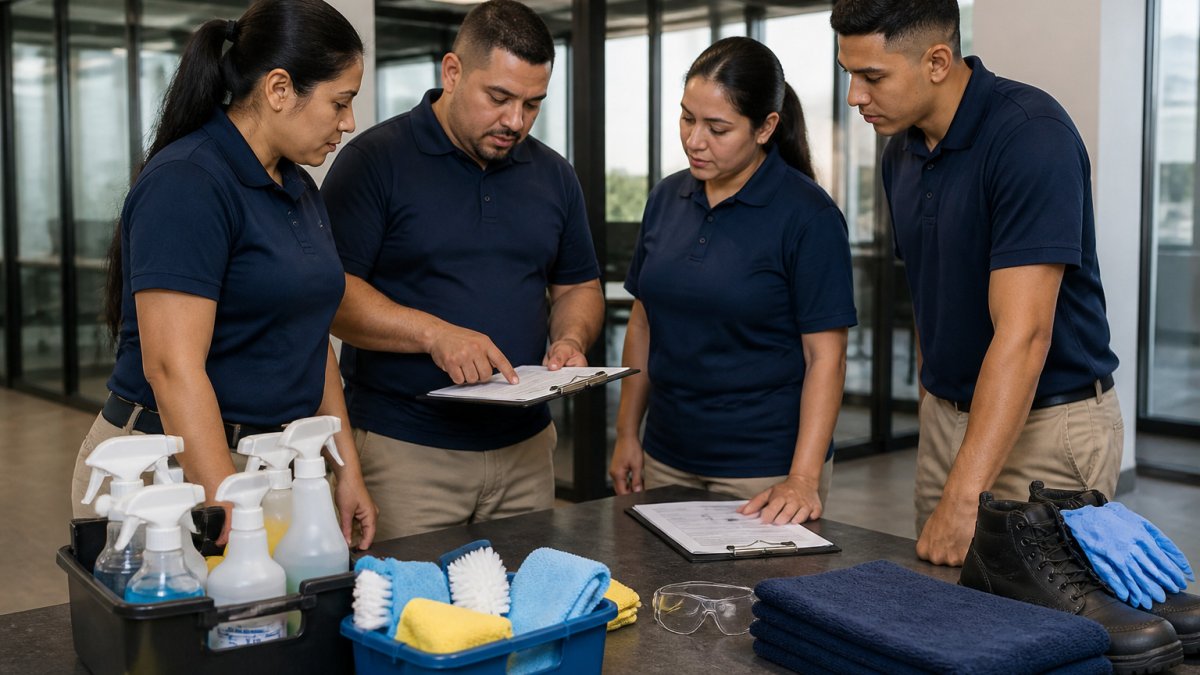
Yes. Insurers reward risk reduction with lower premiums. Invest in employee safety training, maintain detailed incident logs, use ergonomic equipment to prevent injuries, and document your cleaning procedures. Some carriers offer discounts for safety certifications or completing loss-prevention courses. Regular equipment maintenance reduces mechanical failures that trigger claims. A strong safety culture not only lowers your premiums but also improves employee retention and client satisfaction.
Managing insurance costs for growing cleaning businesses requires attention to three things: understanding what drives your rates, restructuring coverage to eliminate waste, and reviewing annually as your business changes. Rangel Janitorial has helped hundreds of cleaning operations optimize their insurance by focusing on these fundamentals. Get a free quote and let's review your current coverage to find where you can save without cutting protection.